HFrEF: Heart Failure with reduced Ejection Fraction
R&D
Diagnosis
Treatment Options
Lifestyle Management
Revolutionizing Heart Failure Diagnosis with Artificial Intelligence
Category : hfref | Sub Category : Caregiver Support Posted on 2023-10-30 21:24:53
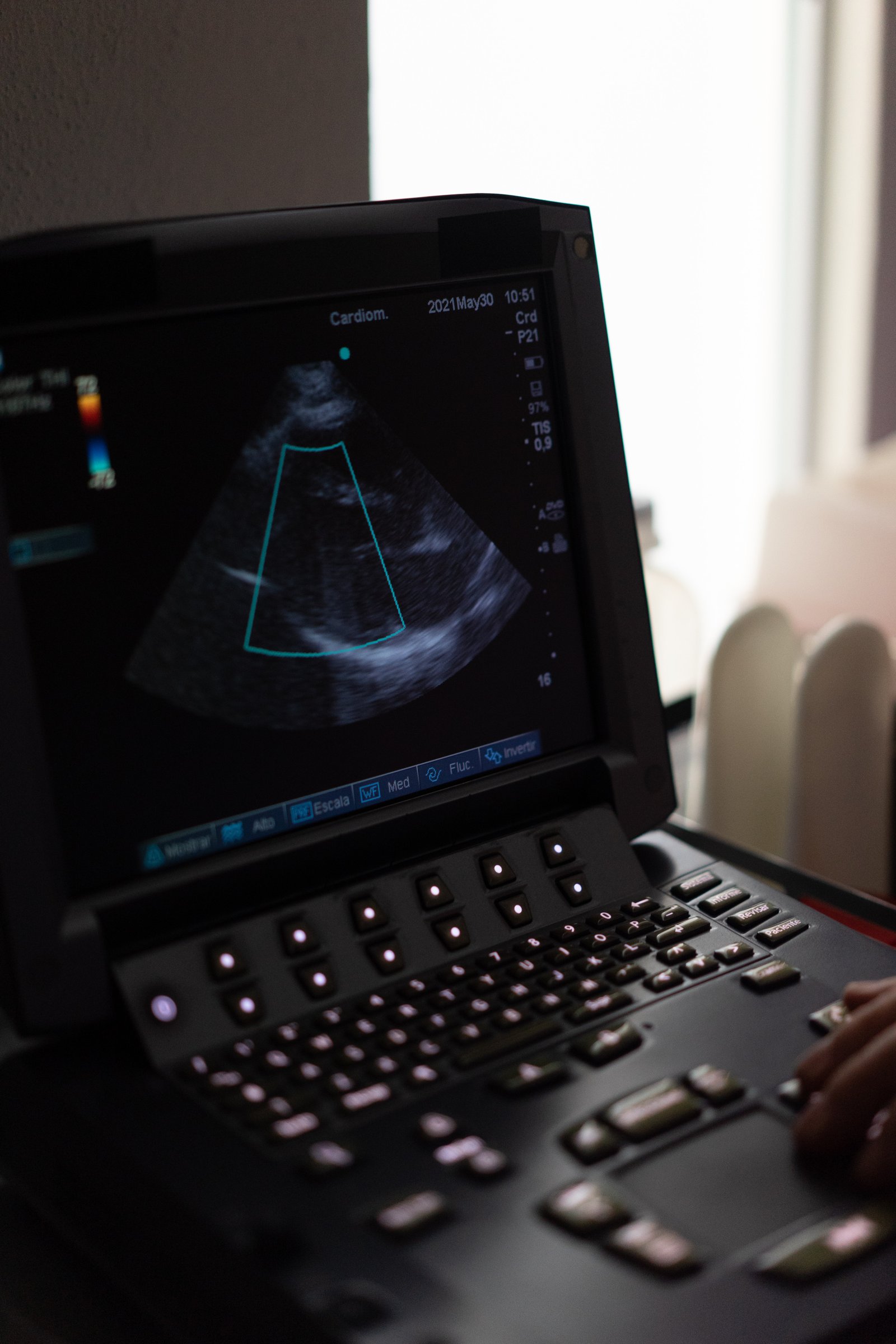
Introduction: Artificial intelligence (AI) has made significant advancements in various fields, from autonomous vehicles to healthcare. One area where AI is particularly promising is in the early diagnosis and treatment of heart failure (HF). By leveraging AI algorithms and machine learning, the medical community is revolutionizing how HF is diagnosed, allowing for better patient outcomes and potentially saving lives. Understanding Heart Failure and its Challenges: Heart failure is a serious condition that occurs when the heart is unable to pump enough blood to meet the body's needs. It affects millions of people worldwide and is a leading cause of hospitalization and mortality. Diagnosis can be complex, as symptoms are often nonspecific and can overlap with other conditions. Traditional diagnostic methods, such as echocardiography and blood tests, have limitations in terms of accuracy and speed, necessitating the need for more advanced diagnostic tools. AI in Heart Failure Diagnosis: Artificial intelligence is transforming the landscape of HF diagnosis by offering innovative solutions to improve accuracy, efficiency, and patient care. AI algorithms are designed to analyze vast amounts of patient data, including medical records, lab results, genetic information, and even wearable devices, to identify patterns and markers that could indicate the presence of HF. Machine learning techniques enable these algorithms to continuously learn and adapt, improving their diagnostic abilities over time. Benefits of AI in HF Diagnosis: The integration of AI into the diagnosis of heart failure brings several benefits that enhance patient care and treatment outcomes: 1. Early Detection: AI algorithms can analyze patient data in real-time, allowing for early detection of HF before symptoms become severe. This early identification enables medical professionals to initiate timely interventions, potentially preventing further disease progression. 2. Improved Accuracy: AI systems are capable of processing and interpreting vast amounts of data much faster than humans. This capability significantly enhances the accuracy of HF diagnosis, reducing the potential for misdiagnosis and unnecessary treatments. 3. Personalized Medicine: AI algorithms can analyze an individual's unique health information, including genetics, lifestyle, and medical history, to provide personalized treatment recommendations. This tailored approach enables healthcare providers to develop more effective treatment plans specific to the patient's needs. 4. Optimal Resource Allocation: AI-enabled diagnostic tools can improve healthcare resource allocation by prioritizing patients based on their likelihood of developing or worsening HF. This approach optimizes triage decisions and helps ensure that critical care is provided to those who need it the most. Challenges and Future Outlook: While AI holds immense potential in revolutionizing HF diagnosis, several challenges need to be addressed. Ensuring data privacy and security, validating AI models on diverse populations, and integrating AI into existing healthcare systems are among the key hurdles that need to be overcome. However, with ongoing research and collaboration between clinicians, engineers, and data scientists, these challenges can be mitigated, paving the way for a future where AI is seamlessly integrated into routine HF diagnosis and management. Conclusion: The convergence of artificial intelligence and heart failure diagnosis is transforming the way medical professionals identify and manage this debilitating condition. From early detection to personalized treatment strategies, AI-driven solutions have the potential to significantly improve patient outcomes, reduce healthcare costs, and enhance the overall quality of care. As AI technology continues to evolve, it is essential to embrace this revolutionary approach to usher in a new era of precision medicine that benefits both patients and healthcare providers alike. For a broader exploration, take a look at http://www.thunderact.com Expand your knowledge by perusing http://www.vfeat.com
Leave a Comment:
SEARCH
Recent News
- Navigating Medical Device Regulations in Zurich, Switzerland
- In today's digital age, YouTube has become a powerful platform for content creators to share their knowledge and expertise with a global audience. One particular niche that has been gaining traction on YouTube is the creation and translation of content related to medical devices regulation.
- Navigating the Regulatory Landscape for Medical Devices on YouTube
- The World Cup is one of the most anticipated sporting events that captures the attention of millions of people around the globe. While the focus is on the thrilling matches and talented athletes, behind the scenes, there is a complex system of regulations and protocols in place to ensure the safety and well-being of all involved. One crucial aspect of this is the regulation of medical devices used during the tournament.
- In today's rapidly evolving healthcare industry, staying up-to-date on work skills development and understanding medical devices regulation are crucial for professionals working in the field. With advances in technology and new medical devices being introduced regularly, it is essential to enhance one's skills and stay compliant with regulations to provide the best possible care for patients.
- In today's rapidly evolving business landscape, workplace health promotion has become a key focus for organizations looking to enhance employee well-being, increase productivity, and reduce healthcare costs. One important aspect of workplace health promotion is ensuring the safe and effective use of medical devices within the organization. A solid understanding of medical device regulations is crucial for companies to maintain compliance and safeguard the health and safety of their employees.
- Empowering Women in Politics and Regulating Medical Devices
- Understanding Women's Fatigue and the Role of Medical Devices Regulation
READ MORE
11 months ago Category : hfref

Navigating Medical Device Regulations in Zurich, Switzerland
Read More →11 months ago Category : hfref

In today's digital age, YouTube has become a powerful platform for content creators to share their knowledge and expertise with a global audience. One particular niche that has been gaining traction on YouTube is the creation and translation of content related to medical devices regulation.
Read More →11 months ago Category : hfref

Navigating the Regulatory Landscape for Medical Devices on YouTube
Read More →11 months ago Category : hfref
