HFrEF: Heart Failure with reduced Ejection Fraction
R&D
Diagnosis
Treatment Options
Lifestyle Management
The Role of Diet in Managing Heart Failure: Choose Your Food for a Healthier Heart
Category : hfref | Sub Category : Caregiver Support Posted on 2023-10-30 21:24:53
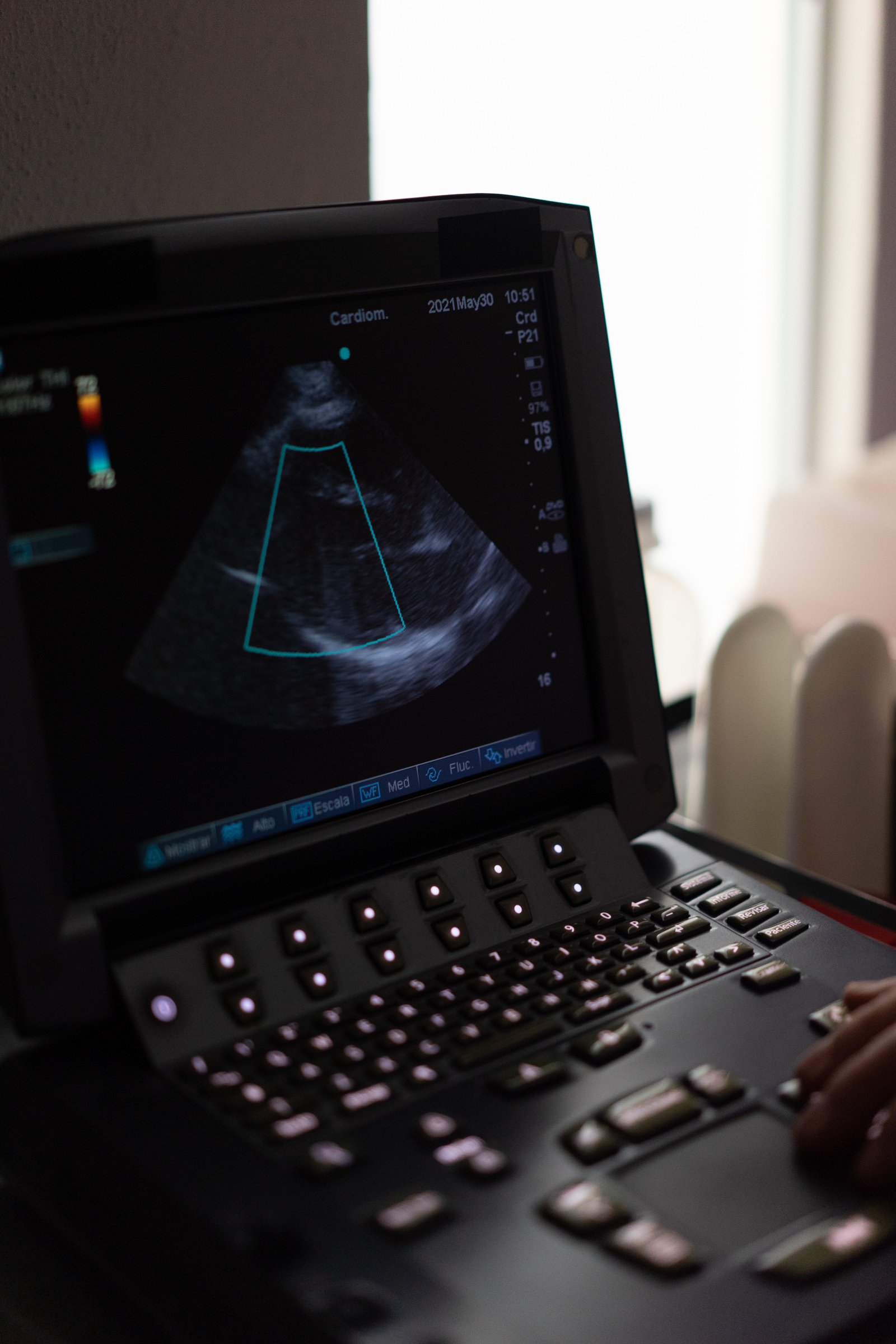
Introduction: Heart failure is a serious medical condition characterized by the heart's inability to pump blood effectively. While medical intervention is crucial, adopting a heart-healthy diet plays an equally important role in managing and improving heart failure symptoms. In this blog post, we will explore the connection between food and heart failure, focusing on the types of food that support heart health. 1. Limit Sodium Intake: Excessive sodium intake is a critical concern for individuals with heart failure. Salt causes fluid retention, increasing the workload on the heart. To manage heart failure, it is essential to reduce sodium consumption. Avoid processed foods, canned soups, and fast food, as they are often high in sodium. Instead, opt for fresh fruits, vegetables, and whole grains to add flavor and nutrients to your meals. 2. Embrace Heart-Healthy Fats: Although it's crucial to limit saturated and trans fats, not all fats are bad for heart health. Unsaturated fats, such as olive oil, avocados, and nuts, can actually have protective effects on the heart. These fats help reduce inflammation, maintain healthy cholesterol levels, and improve overall cardiovascular health. Incorporate these fats into your diet by using olive oil in cooking and choosing avocados or nuts as a snack. 3. Choose Lean Protein Sources: Protein is essential for maintaining muscle mass and promoting overall well-being. However, not all protein sources are suitable for individuals with heart failure. Avoid high-fat meats like beef and processed meats like sausages. Instead, opt for lean protein sources such as skinless poultry, fish, legumes, and tofu. These options provide necessary nutrients without adding excess saturated fats. 4. Balance Fluid Intake: Fluid imbalance is a common challenge for those with heart failure. It is essential to regulate fluid intake to prevent worsening of symptoms. Consult with your healthcare provider to determine your daily fluid allowance and closely monitor your intake. Remember, fluids are not limited to water alone; they include beverages like soups, juices, and even fruits and vegetables that have high water content. 5. Increase Fiber Consumption: A diet rich in fiber has numerous benefits for heart health. High-fiber foods help reduce cholesterol levels, regulate blood sugar, and support a healthy weight all crucial factors in managing heart failure. Include whole grains, fruits, vegetables, and legumes in your meals to boost your fiber intake and improve heart health. Conclusion: When it comes to heart failure management, dietary choices play a significant role. Prioritizing heart-healthy foods, low in sodium and saturated fats, can have a positive impact on your overall well-being. Remember to maintain a balanced diet that includes a variety of nutrient-dense foods while adhering to your healthcare provider's recommendations. By making these dietary changes, you will be taking proactive steps toward supporting your heart health and managing heart failure more effectively. Explore this subject in detail with http://www.deleci.com this link is for more information http://www.eatnaturals.com For the latest insights, read: http://www.mimidate.com
Leave a Comment:
SEARCH
Recent News
- Navigating Medical Device Regulations in Zurich, Switzerland
- In today's digital age, YouTube has become a powerful platform for content creators to share their knowledge and expertise with a global audience. One particular niche that has been gaining traction on YouTube is the creation and translation of content related to medical devices regulation.
- Navigating the Regulatory Landscape for Medical Devices on YouTube
- The World Cup is one of the most anticipated sporting events that captures the attention of millions of people around the globe. While the focus is on the thrilling matches and talented athletes, behind the scenes, there is a complex system of regulations and protocols in place to ensure the safety and well-being of all involved. One crucial aspect of this is the regulation of medical devices used during the tournament.
- In today's rapidly evolving healthcare industry, staying up-to-date on work skills development and understanding medical devices regulation are crucial for professionals working in the field. With advances in technology and new medical devices being introduced regularly, it is essential to enhance one's skills and stay compliant with regulations to provide the best possible care for patients.
- In today's rapidly evolving business landscape, workplace health promotion has become a key focus for organizations looking to enhance employee well-being, increase productivity, and reduce healthcare costs. One important aspect of workplace health promotion is ensuring the safe and effective use of medical devices within the organization. A solid understanding of medical device regulations is crucial for companies to maintain compliance and safeguard the health and safety of their employees.
- Empowering Women in Politics and Regulating Medical Devices
- Understanding Women's Fatigue and the Role of Medical Devices Regulation
READ MORE
11 months ago Category : hfref

Navigating Medical Device Regulations in Zurich, Switzerland
Read More →11 months ago Category : hfref

In today's digital age, YouTube has become a powerful platform for content creators to share their knowledge and expertise with a global audience. One particular niche that has been gaining traction on YouTube is the creation and translation of content related to medical devices regulation.
Read More →11 months ago Category : hfref

Navigating the Regulatory Landscape for Medical Devices on YouTube
Read More →11 months ago Category : hfref
