HFrEF: Heart Failure with reduced Ejection Fraction
R&D
Diagnosis
Treatment Options
Lifestyle Management
Exploring Heart Failure with Reduced Ejection Fraction in Ancient Chinese History
Category : hfref | Sub Category : Caregiver Support Posted on 2023-10-30 21:24:53
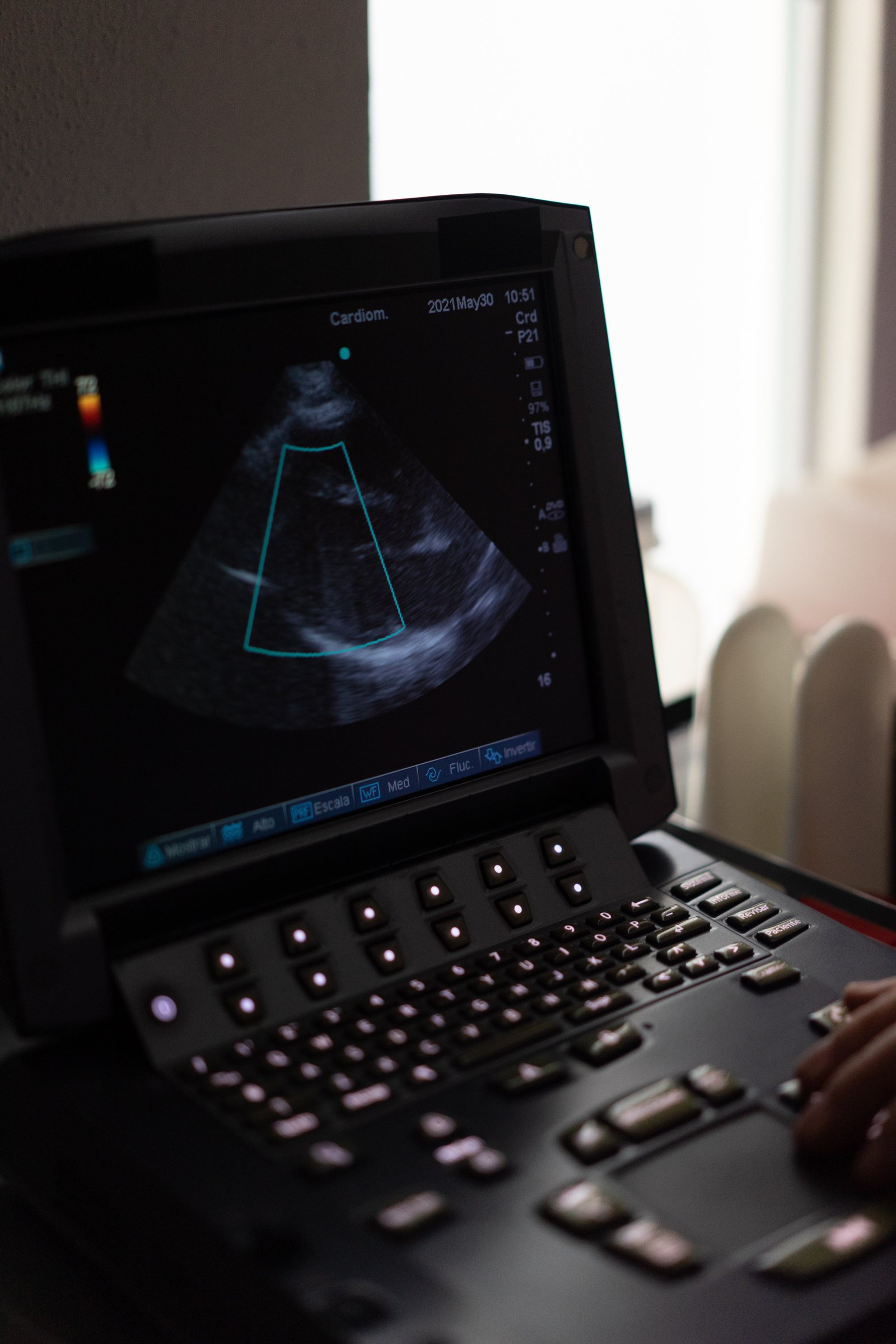
Introduction: Heart failure with reduced ejection fraction (HFrEF) is a prevalent and serious medical condition that affects millions of people worldwide. While modern medicine has made significant advancements in understanding and treating this condition, it is interesting to explore the historical perspective of heart disease, particularly in ancient civilizations such as China. In this blog post, we will delve into the intersection of heart failure and Chinese history to understand how this condition was perceived and managed in the ancient world. 1. Ancient Chinese Medicine and Heart Health: Ancient China had a rich tradition of medicine that incorporated both spiritual and physical aspects of health. The holistic approach to healthcare embraced practices such as acupuncture, herbal medicine, and Qi Gong exercises. While specific references to heart failure with reduced ejection fraction may not exist in ancient Chinese texts, the concept of heart health was well recognized and addressed. 2. Yin-Yang Philosophy and the Heart: In traditional Chinese medicine, the heart is considered the emperor of all organs and is associated with the fire element and the yang energy. Imbalances or disturbances in the yin-yang harmony were believed to lead to various health issues, including heart-related problems. Ancient physicians emphasized the importance of maintaining a healthy heart to ensure overall well-being. 3. Herbal Remedies and Their Effects on Heart Health: Chinese herbal medicine has a long history of treating cardiovascular conditions, including symptoms associated with heart failure. Herbs such as hawthorn berries, salvia miltiorrhiza, and astragalus were commonly used to improve heart function, alleviate symptoms, and enhance overall cardiovascular health. These ancient remedies are still widely used in Chinese medicine today and are believed to provide beneficial effects for HFrEF patients. 4. Lifestyle and Dietary Considerations: Ancient Chinese philosophy emphasized the importance of harmony and balance in all aspects of life, including diet and lifestyle. In regards to heart health, ancient Chinese texts recommended a balanced diet consisting of nutritious foods such as grains, fruits, vegetables, and lean proteins. Avoidance of excessive alcohol consumption, tobacco, and stress were also advised to promote heart health. 5. Physical Practices for Heart Health: Ancient Chinese practices such as Tai Chi and Qi Gong have been shown to have positive effects on cardiovascular health. These gentle exercises incorporate slow, flowing movements with controlled breathing techniques, promoting relaxation, balance, and improved blood circulation. Engaging in such activities was believed to strengthen the heart and prevent heart-related ailments. Conclusion: Although ancient Chinese texts may not provide a direct mention of heart failure with reduced ejection fraction, the traditional Chinese approach to health provides valuable insights into the understanding and management of cardiovascular conditions. The emphasis on balancing yin and yang, herbal medicine, dietary considerations, and physical practices can still be applied in modern medicine to support individuals with HFrEF. Exploring the historical perspective of heart health in ancient Chinese history not only sheds light on traditional healing practices but also highlights the enduring wisdom of holistic healthcare approaches. To understand this better, read http://www.soitsyou.com
Leave a Comment:
SEARCH
Recent News
- Navigating Medical Device Regulations in Zurich, Switzerland
- In today's digital age, YouTube has become a powerful platform for content creators to share their knowledge and expertise with a global audience. One particular niche that has been gaining traction on YouTube is the creation and translation of content related to medical devices regulation.
- Navigating the Regulatory Landscape for Medical Devices on YouTube
- The World Cup is one of the most anticipated sporting events that captures the attention of millions of people around the globe. While the focus is on the thrilling matches and talented athletes, behind the scenes, there is a complex system of regulations and protocols in place to ensure the safety and well-being of all involved. One crucial aspect of this is the regulation of medical devices used during the tournament.
- In today's rapidly evolving healthcare industry, staying up-to-date on work skills development and understanding medical devices regulation are crucial for professionals working in the field. With advances in technology and new medical devices being introduced regularly, it is essential to enhance one's skills and stay compliant with regulations to provide the best possible care for patients.
- In today's rapidly evolving business landscape, workplace health promotion has become a key focus for organizations looking to enhance employee well-being, increase productivity, and reduce healthcare costs. One important aspect of workplace health promotion is ensuring the safe and effective use of medical devices within the organization. A solid understanding of medical device regulations is crucial for companies to maintain compliance and safeguard the health and safety of their employees.
- Empowering Women in Politics and Regulating Medical Devices
- Understanding Women's Fatigue and the Role of Medical Devices Regulation
READ MORE
11 months ago Category : hfref

Navigating Medical Device Regulations in Zurich, Switzerland
Read More →11 months ago Category : hfref

In today's digital age, YouTube has become a powerful platform for content creators to share their knowledge and expertise with a global audience. One particular niche that has been gaining traction on YouTube is the creation and translation of content related to medical devices regulation.
Read More →11 months ago Category : hfref

Navigating the Regulatory Landscape for Medical Devices on YouTube
Read More →11 months ago Category : hfref
