HFrEF: Heart Failure with reduced Ejection Fraction
R&D
Diagnosis
Treatment Options
Lifestyle Management
Strengthening Cybersecurity Measures for Heart Failure with Reduced Ejection Fraction Patients
Category : hfref | Sub Category : Caregiver Support Posted on 2023-10-30 21:24:53
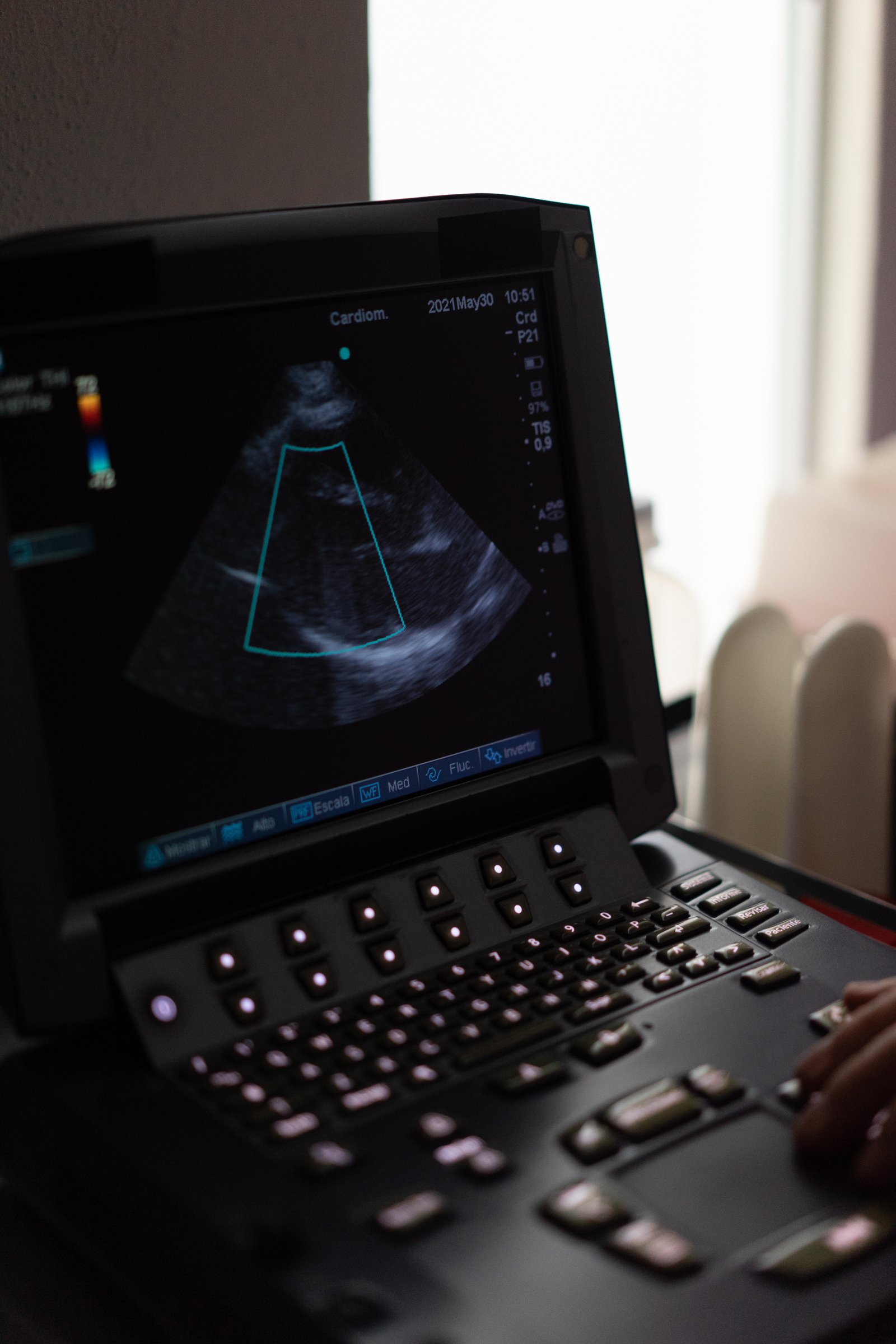
Introduction: As the healthcare industry increasingly relies on technology to improve patient care and streamline processes, there is a growing concern about the security of electronic health records (EHRs) and medical devices. This is particularly important for patients with heart failure with reduced ejection fraction (HFrEF), as their condition requires constant monitoring and management. In this blog post, we will explore the importance of cybersecurity in the context of HFrEF and discuss measures that can be taken to strengthen the security of patient data and medical devices. Understanding Heart Failure with Reduced Ejection Fraction: HFrEF is a condition where the heart muscle is weakened, leading to the inability of the heart to pump sufficient blood to meet the body's needs. Patients with HFrEF often require an implantable cardioverter-defibrillator (ICD) or a cardiac resynchronization therapy device (CRT) to help regulate their heart function. These devices are often connected to the internet or other communication networks to transmit essential data to healthcare providers. While this connectivity brings numerous benefits, it also introduces cybersecurity risks. The Importance of Cybersecurity for HFrEF Patients: Ensuring the security of patient data and medical devices is crucial for HFrEF patients for several reasons: 1. Data privacy: HFrEF patients' medical records contain sensitive information, including personal details, medical history, and treatments. Protecting this information from unauthorized access is essential for maintaining patient confidentiality and complying with data protection laws. 2. Device integrity: Breaches in device security can allow hackers to manipulate or tamper with the functioning of medical devices. A compromised device could deliver inappropriate shocks, disrupt treatments, or even pose life-threatening risks to patients. 3. Remote monitoring and telemedicine: The ability to remotely monitor HFrEF patients' health parameters allows healthcare providers to detect changes in condition promptly. However, these capabilities can expose patients to potential cyber threats if not properly secured. Strengthening Cybersecurity Measures: To mitigate the risks associated with cybersecurity and HFrEF, healthcare organizations and medical device manufacturers can implement the following measures: 1. Network segmentation: Segregating networks within healthcare systems can create barriers limiting unauthorized access to critical patient data and medical devices. 2. Regular software updates: Promptly applying software updates and security patches is critical for minimizing vulnerabilities. Medical device manufacturers should provide timely and easily deployable updates to address potential security flaws. 3. Strong user authentication protocols: Implementing two-factor authentication for access to EHRs and medical devices can significantly reduce the risk of unauthorized access. 4. Employee education and training: Healthcare organizations should conduct regular training and awareness programs to educate employees about the importance of cybersecurity and enhance their understanding of best practices. 5. Risk assessment and management: Conducting comprehensive risk assessments and implementing risk management strategies can identify vulnerabilities and establish measures to mitigate potential threats. Conclusion: With the increasing reliance on technology in healthcare, it is essential to prioritize cybersecurity to protect patients with HFrEF from potential risks. Implementing robust security measures, such as network segmentation, regular software updates, and strong user authentication, can help safeguard patient data and medical devices. By working together, healthcare organizations, medical device manufacturers, and patients can navigate the digital landscape while ensuring the utmost security and quality of care for HFrEF patients. Don't miss more information at http://www.privacyless.com
Leave a Comment:
SEARCH
Recent News
- Navigating Medical Device Regulations in Zurich, Switzerland
- In today's digital age, YouTube has become a powerful platform for content creators to share their knowledge and expertise with a global audience. One particular niche that has been gaining traction on YouTube is the creation and translation of content related to medical devices regulation.
- Navigating the Regulatory Landscape for Medical Devices on YouTube
- The World Cup is one of the most anticipated sporting events that captures the attention of millions of people around the globe. While the focus is on the thrilling matches and talented athletes, behind the scenes, there is a complex system of regulations and protocols in place to ensure the safety and well-being of all involved. One crucial aspect of this is the regulation of medical devices used during the tournament.
- In today's rapidly evolving healthcare industry, staying up-to-date on work skills development and understanding medical devices regulation are crucial for professionals working in the field. With advances in technology and new medical devices being introduced regularly, it is essential to enhance one's skills and stay compliant with regulations to provide the best possible care for patients.
- In today's rapidly evolving business landscape, workplace health promotion has become a key focus for organizations looking to enhance employee well-being, increase productivity, and reduce healthcare costs. One important aspect of workplace health promotion is ensuring the safe and effective use of medical devices within the organization. A solid understanding of medical device regulations is crucial for companies to maintain compliance and safeguard the health and safety of their employees.
- Empowering Women in Politics and Regulating Medical Devices
- Understanding Women's Fatigue and the Role of Medical Devices Regulation
READ MORE
11 months ago Category : hfref

Navigating Medical Device Regulations in Zurich, Switzerland
Read More →11 months ago Category : hfref

In today's digital age, YouTube has become a powerful platform for content creators to share their knowledge and expertise with a global audience. One particular niche that has been gaining traction on YouTube is the creation and translation of content related to medical devices regulation.
Read More →11 months ago Category : hfref

Navigating the Regulatory Landscape for Medical Devices on YouTube
Read More →11 months ago Category : hfref
