HFrEF: Heart Failure with reduced Ejection Fraction
R&D
Diagnosis
Treatment Options
Lifestyle Management
Combating Deepfakes and Misinformation in the Context of Heart Failure with Reduced Ejection Fraction
Category : hfref | Sub Category : Caregiver Support Posted on 2023-10-30 21:24:53
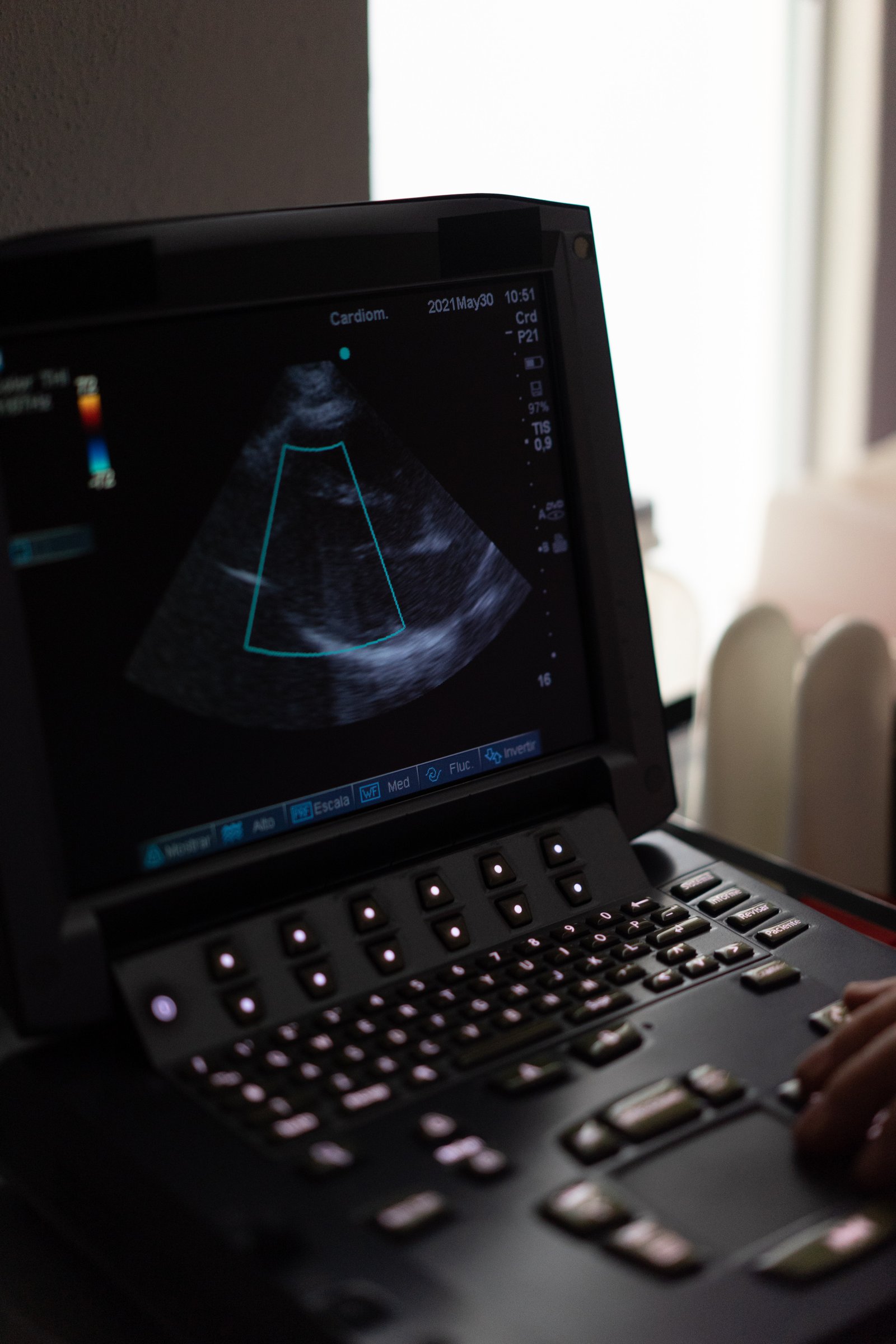
Introduction One of the most pressing challenges of the digital age is the proliferation of deepfakes and misinformation. These deceptive techniques pose a serious threat to various aspects of society, including healthcare. In this blog post, we will explore how heart failure with reduced ejection fraction (HFrEF) patients and healthcare professionals can combat deepfakes and misinformation to ensure accurate and reliable information exchange. Understanding Heart Failure with Reduced Ejection Fraction Heart failure with reduced ejection fraction is a condition characterized by the heart's inability to pump blood effectively, resulting in reduced cardiac output. It is a complex and chronic condition that requires continuous monitoring, medical intervention, and lifestyle modifications to manage symptoms and improve quality of life. The Dangers of Deepfakes and Misinformation Deepfakes, which involve the use of artificial intelligence to manipulate or falsify digital content, can have detrimental effects in the realm of healthcare. Misinformation, whether spread intentionally or unintentionally, can exacerbate the challenges faced by HFrEF patients and healthcare professionals. False or misleading information can lead to incorrect diagnoses, inappropriate treatment decisions, and overall confusion within the healthcare community. Combating Deepfakes and Misinformation 1. Awareness and Education Raising awareness about deepfakes and the potential consequences they pose is vital. Healthcare professionals should receive training on how to identify deepfakes, understand their implications, and differentiate between reliable and unreliable sources of information. Patients should be educated about the risks associated with misinformation and be encouraged to seek information from credible sources. 2. Source Verification Healthcare professionals and patients must verify the sources of information they come across. Cross-referencing information with reputable medical organizations, academic journals, and peer-reviewed studies can help ensure the accuracy and legitimacy of the information. Scrutinizing the credentials and reputations of content creators is also critical in combating misinformation. 3. Collaboration and Peer Review The healthcare community should foster collaboration and peer review to build a robust network that can identify and debunk deepfakes and misinformation. Engaging in open discussions, sharing experiences, and challenging questionable claims can help create a culture of critical thinking and scrutiny in the healthcare profession. 4. Fact-Checking Tools and Technologies Advancements in technology have led to the development of sophisticated fact-checking tools. These tools utilize artificial intelligence and machine learning algorithms to analyze and verify the authenticity of digital content. Integrating such tools into healthcare information systems and utilizing them during content creation and consumption can significantly reduce the risk of deepfakes and misinformation. Conclusion Deepfakes and misinformation present significant challenges in the context of heart failure with reduced ejection fraction and healthcare in general. By promoting awareness, verifying sources, fostering collaboration, and utilizing fact-checking technologies, we can combat these threats and ensure that accurate and reliable information guides the management and care of HFrEF patients. It is crucial that healthcare professionals and patients remain vigilant and skeptical when consuming and distributing medical information in the digital age. For more info http://www.semifake.com
Leave a Comment:
SEARCH
Recent News
- Navigating Medical Device Regulations in Zurich, Switzerland
- In today's digital age, YouTube has become a powerful platform for content creators to share their knowledge and expertise with a global audience. One particular niche that has been gaining traction on YouTube is the creation and translation of content related to medical devices regulation.
- Navigating the Regulatory Landscape for Medical Devices on YouTube
- The World Cup is one of the most anticipated sporting events that captures the attention of millions of people around the globe. While the focus is on the thrilling matches and talented athletes, behind the scenes, there is a complex system of regulations and protocols in place to ensure the safety and well-being of all involved. One crucial aspect of this is the regulation of medical devices used during the tournament.
- In today's rapidly evolving healthcare industry, staying up-to-date on work skills development and understanding medical devices regulation are crucial for professionals working in the field. With advances in technology and new medical devices being introduced regularly, it is essential to enhance one's skills and stay compliant with regulations to provide the best possible care for patients.
- In today's rapidly evolving business landscape, workplace health promotion has become a key focus for organizations looking to enhance employee well-being, increase productivity, and reduce healthcare costs. One important aspect of workplace health promotion is ensuring the safe and effective use of medical devices within the organization. A solid understanding of medical device regulations is crucial for companies to maintain compliance and safeguard the health and safety of their employees.
- Empowering Women in Politics and Regulating Medical Devices
- Understanding Women's Fatigue and the Role of Medical Devices Regulation
READ MORE
11 months ago Category : hfref

Navigating Medical Device Regulations in Zurich, Switzerland
Read More →11 months ago Category : hfref

In today's digital age, YouTube has become a powerful platform for content creators to share their knowledge and expertise with a global audience. One particular niche that has been gaining traction on YouTube is the creation and translation of content related to medical devices regulation.
Read More →11 months ago Category : hfref

Navigating the Regulatory Landscape for Medical Devices on YouTube
Read More →11 months ago Category : hfref
