HFrEF: Heart Failure with reduced Ejection Fraction
R&D
Diagnosis
Treatment Options
Lifestyle Management
A Breakthrough in Heart Failure Management: Electronic Device Registration and Validation
Category : hfref | Sub Category : Caregiver Support Posted on 2023-10-30 21:24:53
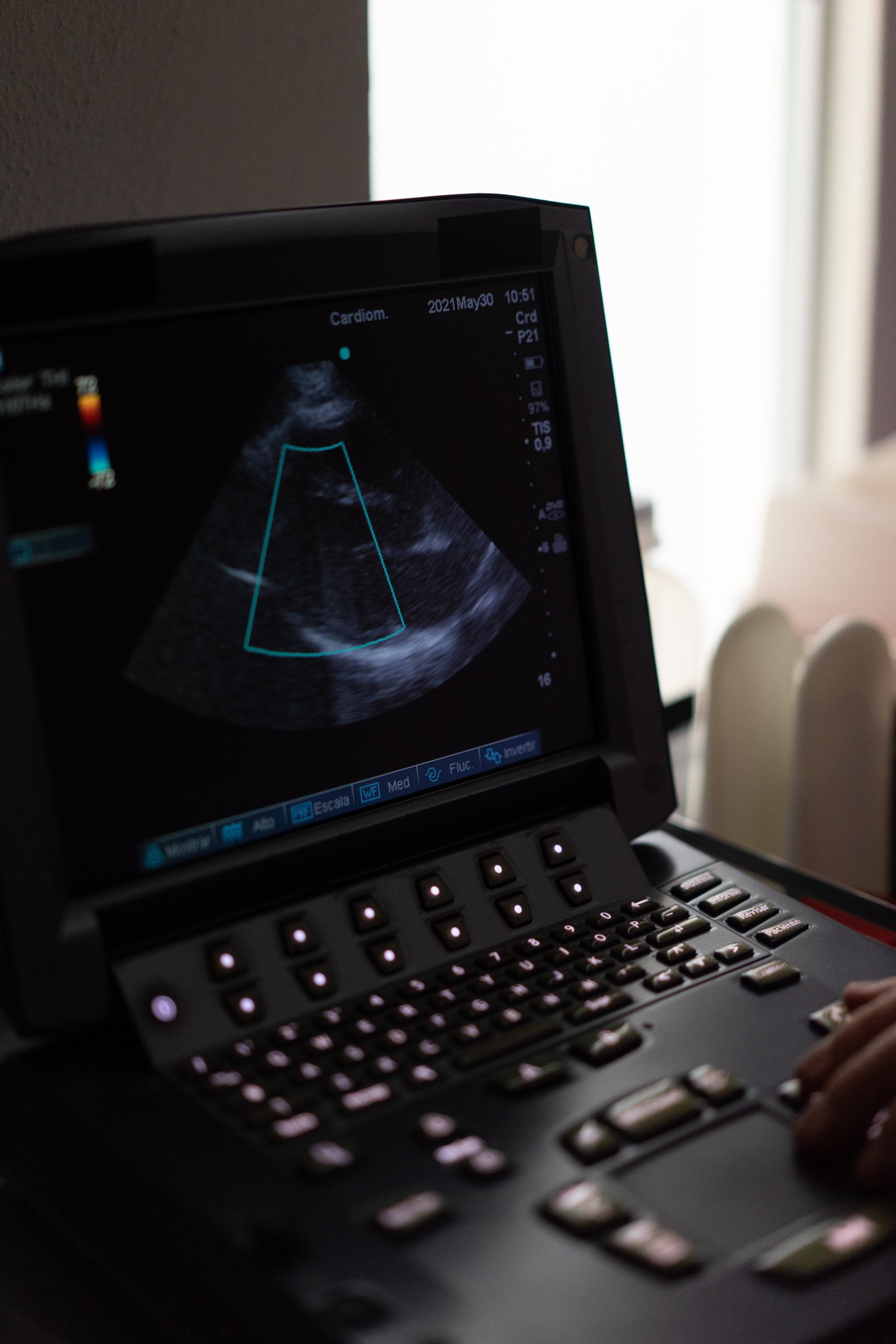
Introduction: In recent years, advances in medical technology have revolutionized the treatment of heart failure with reduced ejection fraction (HFrEF). One notable development is the implementation of electronic devices for registration and validation. In this blog post, we will explore the significance of electronic device history registration and validation in the management of HFrEF and how it has transformed patient care. Understanding Heart Failure with Reduced Ejection Fraction (HFrEF): HFrEF is a condition characterized by weakened heart muscles, resulting in the heart's inability to effectively pump blood to the rest of the body. This leads to symptoms such as shortness of breath, fatigue, and fluid retention. Traditionally, patients with HFrEF have been managed through medication, lifestyle changes, and, in severe cases, surgical interventions like heart transplantation. The Role of Electronic Devices in HFrEF Management: Electronic devices, such as implantable cardioverter-defibrillators (ICDs) and cardiac resynchronization therapy devices (CRTs), have become integral in the management of HFrEF. These devices help regulate the heart's rhythm, optimize pumping efficiency, and prevent life-threatening arrhythmias. Electronic Device History Registration: To ensure proper tracking and management of electronic devices, healthcare providers have implemented electronic device history registration systems. These systems capture detailed information about each device, including its model, serial number, implantation date, and any subsequent revisions or changes. This registration process allows healthcare professionals to quickly access a patient's device history whenever necessary, facilitating effective device management and ensuring patient safety. Benefits of Electronic Device Registration: 1. Accurate Device Tracking: With electronic device history registration, healthcare providers can easily trace a device's journey from implantation to any subsequent revisions or replacements. This improves the overall management of patients with HFrEF and enhances the efficiency of follow-up care. 2. Timely Device Replacements: Regular device check-ups are crucial to ensure their continued functionality. By maintaining accurate records through electronic device registration, healthcare providers can proactively identify devices reaching the end of their lifespan and schedule timely replacements. This helps prevent device failures and ensures patients receive uninterrupted therapy. 3. Enhanced Safety and Alerts: Device registration allows for effective tracking of safety advisories or recalls issued by manufacturers. Healthcare providers can promptly identify and address potential safety concerns, ensuring patient well-being and minimizing risks associated with malfunctioning devices. Electronic Device Validation: While registration provides valuable device tracking, electronic device validation takes it a step further. Validation involves regular checks to verify the functionality and programming of the implanted devices. Physicians use specialized equipment to collect and analyze data from the device, ensuring it is operating optimally and delivering the necessary therapy. Benefits of Electronic Device Validation: 1. Data-Driven Decision Making: Electronic device validation provides healthcare professionals with critical information about a device's performance. This data can aid in treatment decisions and help optimize therapy settings for each individual patient. 2. Early Detection of Device Issues: By regularly validating the devices, healthcare providers can identify any potential malfunctions or programming errors promptly. This early detection allows for timely intervention, minimizing the risk to the patient and preventing adverse cardiac events. 3. Personalized Therapy Adjustments: With electronic device validation, healthcare providers can fine-tune therapy settings to each patient's unique requirements. This personalized approach ensures maximum benefits and improved outcomes for patients with HFrEF. Conclusion: The availability of electronic device history registration and validation has revolutionized the management of heart failure with reduced ejection fraction. By accurately tracking implantable devices and regularly validating their functionality, healthcare providers can ensure optimal patient care, minimize risks associated with device-related issues, and deliver personalized therapy settings. These technological advancements represent a significant milestone in the treatment of HFrEF, providing hope for patients and improving their quality of life. Looking for more information? Check out http://www.edhr.org
Leave a Comment:
SEARCH
Recent News
- Navigating Medical Device Regulations in Zurich, Switzerland
- In today's digital age, YouTube has become a powerful platform for content creators to share their knowledge and expertise with a global audience. One particular niche that has been gaining traction on YouTube is the creation and translation of content related to medical devices regulation.
- Navigating the Regulatory Landscape for Medical Devices on YouTube
- The World Cup is one of the most anticipated sporting events that captures the attention of millions of people around the globe. While the focus is on the thrilling matches and talented athletes, behind the scenes, there is a complex system of regulations and protocols in place to ensure the safety and well-being of all involved. One crucial aspect of this is the regulation of medical devices used during the tournament.
- In today's rapidly evolving healthcare industry, staying up-to-date on work skills development and understanding medical devices regulation are crucial for professionals working in the field. With advances in technology and new medical devices being introduced regularly, it is essential to enhance one's skills and stay compliant with regulations to provide the best possible care for patients.
- In today's rapidly evolving business landscape, workplace health promotion has become a key focus for organizations looking to enhance employee well-being, increase productivity, and reduce healthcare costs. One important aspect of workplace health promotion is ensuring the safe and effective use of medical devices within the organization. A solid understanding of medical device regulations is crucial for companies to maintain compliance and safeguard the health and safety of their employees.
- Empowering Women in Politics and Regulating Medical Devices
- Understanding Women's Fatigue and the Role of Medical Devices Regulation
READ MORE
11 months ago Category : hfref

Navigating Medical Device Regulations in Zurich, Switzerland
Read More →11 months ago Category : hfref

In today's digital age, YouTube has become a powerful platform for content creators to share their knowledge and expertise with a global audience. One particular niche that has been gaining traction on YouTube is the creation and translation of content related to medical devices regulation.
Read More →11 months ago Category : hfref

Navigating the Regulatory Landscape for Medical Devices on YouTube
Read More →11 months ago Category : hfref
