HFrEF: Heart Failure with reduced Ejection Fraction
R&D
Diagnosis
Treatment Options
Lifestyle Management
Emergency Medical Services for Heart Failure with Reduced Ejection Fraction: A Lifeline in Critical Situations
Category : hfref | Sub Category : Caregiver Support Posted on 2023-10-30 21:24:53
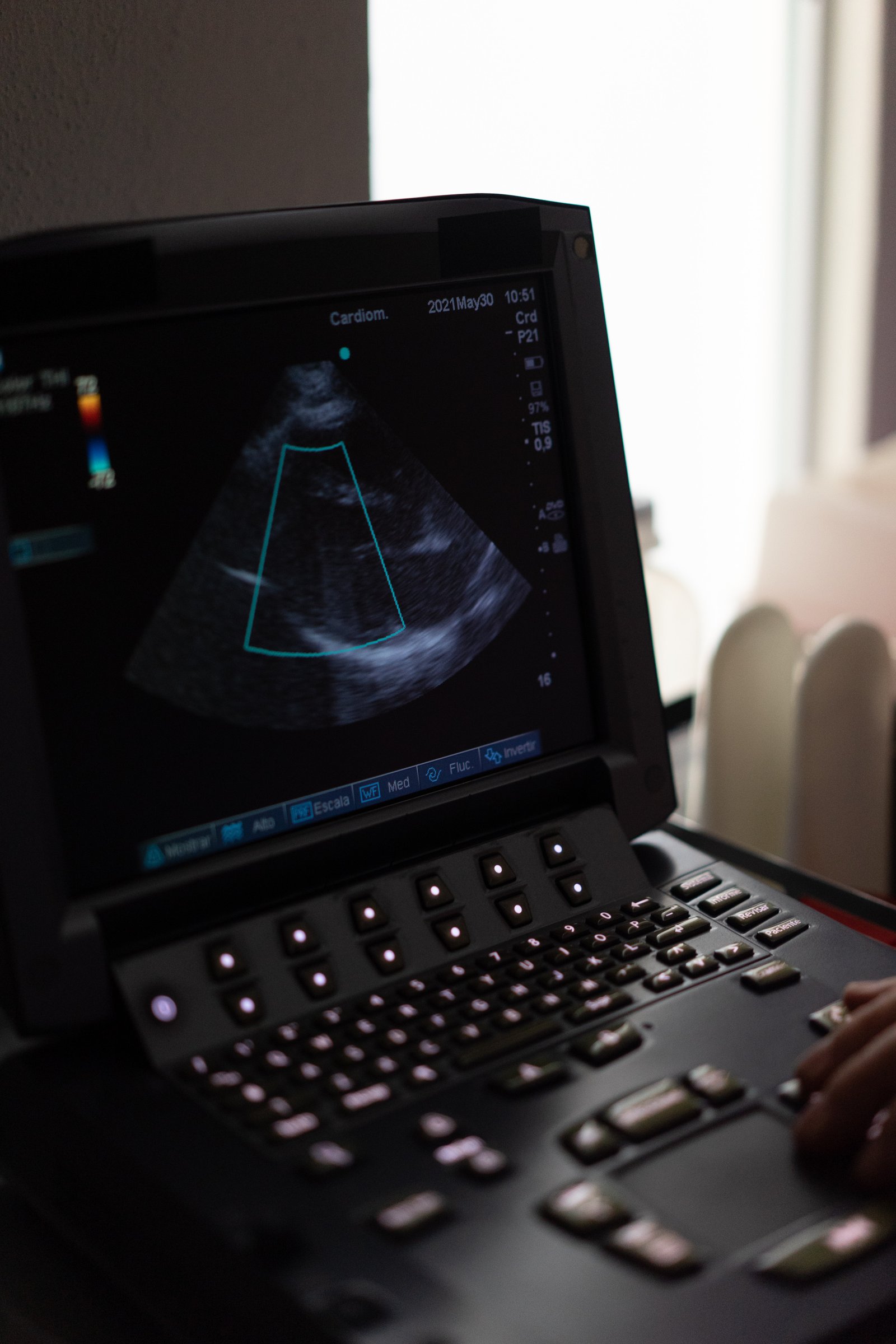
Introduction: Heart failure with reduced ejection fraction (HFrEF) is a serious condition that requires prompt medical intervention. When a patient experiences a cardiac emergency due to HFrEF, time becomes a crucial factor in determining the outcome. In such critical situations, emergency medical services (EMS) play a vital role in providing timely and life-saving care. This blog post aims to shed light on the importance of EMS in managing HFrEF emergencies and the key steps taken by the medical professionals to stabilize and transport patients to appropriate care facilities. 1. Rapid Response: When an HFrEF emergency arises, every second counts. One of the key advantages of EMS is their ability to respond immediately to urgent situations. EMS teams, equipped with advanced life support equipment and trained personnel, quickly arrive at the scene to assess the patient's condition and provide immediate medical attention. 2. Assessment and Stabilization: Upon arrival, EMS professionals assess the patient's vital signs, including heart rate, blood pressure, oxygen saturation, and respiratory status. In the case of HFrEF, they pay close attention to the signs and symptoms of worsening heart failure, such as shortness of breath, edema, and fatigue. To stabilize the patient, various interventions may be initiated, including administering oxygen therapy, providing intravenous medications, and using cardiac monitoring devices to evaluate the heart's electrical activity. EMS professionals are trained to identify potential complications and promptly address them to ensure the patient's stability. 3. Transportation: Once the patient's condition is stable, EMS professionals determine the most appropriate care facility for further management. In HFrEF emergencies, patients are usually transported to specialized cardiac centers or hospitals with dedicated heart failure units. These facilities offer comprehensive management options, including specialized cardiology teams, advanced diagnostic tools, and access to life-saving therapies. During transportation, EMS teams continue to monitor the patient's vital signs and provide necessary interventions to maintain stability. They also communicate vital information to the receiving hospital, enabling the medical team there to be prepared for the patient's arrival and initiate necessary interventions promptly. 4. Collaboration with Healthcare Providers: EMS professionals play a significant role in the continuum of care for HFrEF patients. They collaborate closely with healthcare providers, such as cardiologists, emergency physicians, and nurses, to ensure a seamless transition of care. By providing detailed patient assessments, vital signs, and ongoing interventions, EMS professionals contribute valuable information that helps guide immediate treatment upon arrival at the hospital. Conclusion: Heart failure with reduced ejection fraction is a critical condition that requires immediate medical attention. In these emergencies, EMS teams act as the first line of defense, providing rapid assessment, stabilization, and transportation to appropriate care facilities. Their expertise and ability to respond promptly are paramount in improving patient outcomes. Understanding the crucial role of EMS in managing HFrEF emergencies not only highlights the importance of their services but also emphasizes the need for increased awareness and support for these lifesaving professionals. By working together, healthcare providers and EMS teams can continue to improve the care and outcomes of patients with HFrEF. Take a deep dive into this topic by checking: http://www.doctorregister.com Looking for more information? Check out http://www.tinyfed.com For the latest research, visit http://www.natclar.com
Leave a Comment:
SEARCH
Recent News
- Navigating Medical Device Regulations in Zurich, Switzerland
- In today's digital age, YouTube has become a powerful platform for content creators to share their knowledge and expertise with a global audience. One particular niche that has been gaining traction on YouTube is the creation and translation of content related to medical devices regulation.
- Navigating the Regulatory Landscape for Medical Devices on YouTube
- The World Cup is one of the most anticipated sporting events that captures the attention of millions of people around the globe. While the focus is on the thrilling matches and talented athletes, behind the scenes, there is a complex system of regulations and protocols in place to ensure the safety and well-being of all involved. One crucial aspect of this is the regulation of medical devices used during the tournament.
- In today's rapidly evolving healthcare industry, staying up-to-date on work skills development and understanding medical devices regulation are crucial for professionals working in the field. With advances in technology and new medical devices being introduced regularly, it is essential to enhance one's skills and stay compliant with regulations to provide the best possible care for patients.
- In today's rapidly evolving business landscape, workplace health promotion has become a key focus for organizations looking to enhance employee well-being, increase productivity, and reduce healthcare costs. One important aspect of workplace health promotion is ensuring the safe and effective use of medical devices within the organization. A solid understanding of medical device regulations is crucial for companies to maintain compliance and safeguard the health and safety of their employees.
- Empowering Women in Politics and Regulating Medical Devices
- Understanding Women's Fatigue and the Role of Medical Devices Regulation
READ MORE
11 months ago Category : hfref

Navigating Medical Device Regulations in Zurich, Switzerland
Read More →11 months ago Category : hfref

In today's digital age, YouTube has become a powerful platform for content creators to share their knowledge and expertise with a global audience. One particular niche that has been gaining traction on YouTube is the creation and translation of content related to medical devices regulation.
Read More →11 months ago Category : hfref

Navigating the Regulatory Landscape for Medical Devices on YouTube
Read More →11 months ago Category : hfref
