HFrEF: Heart Failure with reduced Ejection Fraction
R&D
Diagnosis
Treatment Options
Lifestyle Management
Improving Health Surveillance for Heart Failure with Reduced Ejection Fraction
Category : hfref | Sub Category : Caregiver Support Posted on 2023-10-30 21:24:53
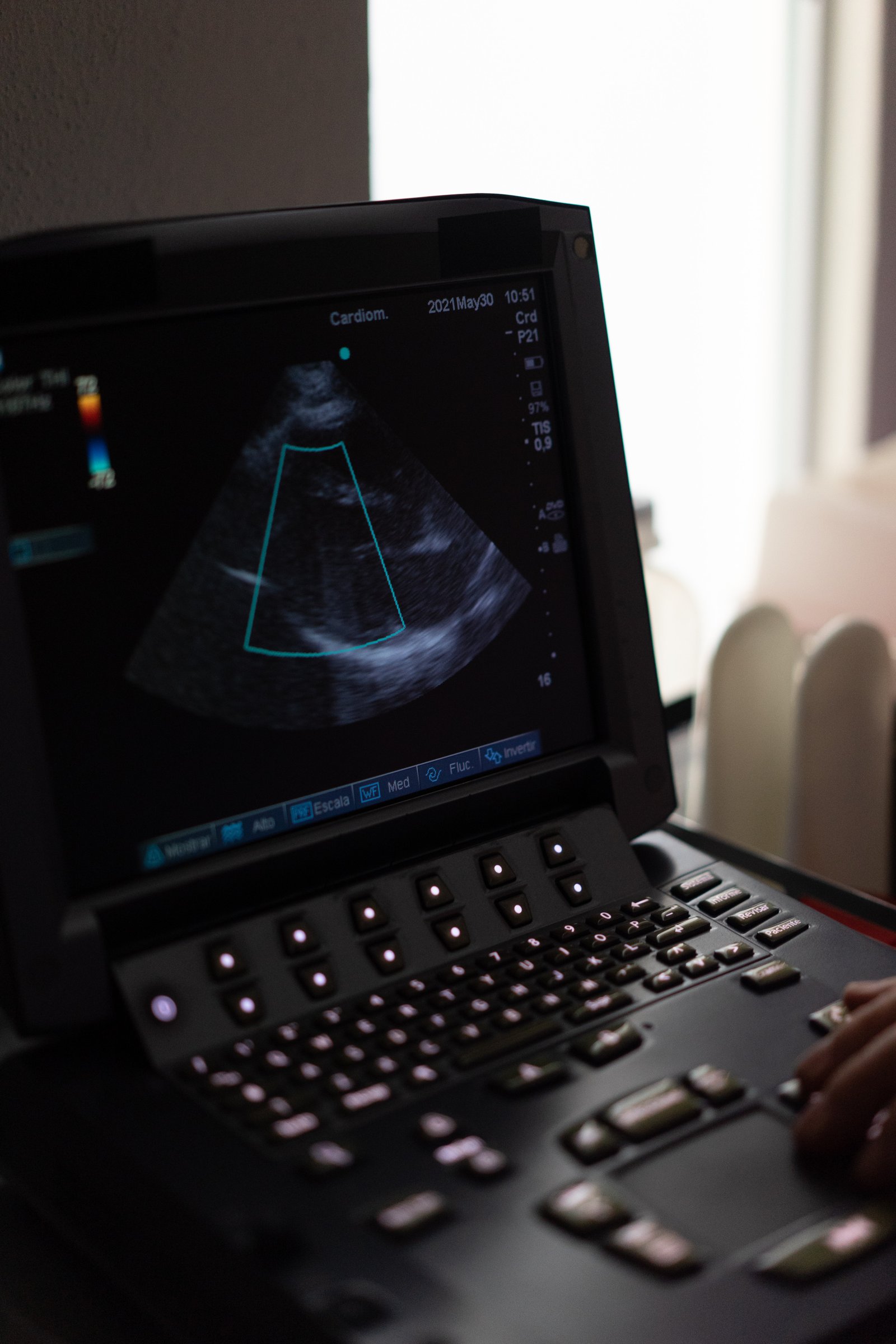
Introduction: Heart failure with reduced ejection fraction (HFrEF) is a serious and common condition that affects millions of people worldwide. It occurs when the heart is unable to pump an adequate amount of blood to meet the body's needs. Effective surveillance of HFrEF is vital for identifying potential risk factors, understanding disease progression, and optimizing patient care. In this blog post, we will explore the importance of health surveillance in managing HFrEF and how advancements in technology can enhance monitoring and treatment strategies. The Need for Health Surveillance: Health surveillance plays a crucial role in tracking the burden and outcomes of HFrEF. It helps to identify individuals at risk or those who have developed the condition, allowing for early interventions and preventing complications. By collecting data on HFrEF patients, researchers and healthcare providers can gain valuable insights into the disease's prevalence, mortality rates, response to treatment, and overall impact on public health. Monitoring Disease Progression: Regular surveillance of patients with HFrEF enables healthcare professionals to monitor disease progression and adjust treatment strategies accordingly. By tracking important indicators such as ejection fraction, exercise tolerance, and symptoms, clinicians can tailor interventions to individual patients and intervene promptly when necessary. This proactive approach helps to improve patient outcomes, reduce hospitalizations, and enhance quality of life. Utilizing Technological Advancements: Advancements in technology have revolutionized health surveillance for HFrEF patients, enabling more accurate monitoring and improved patient engagement. Here are some notable technological innovations in this field: 1. Remote Monitoring: Telehealth and remote monitoring devices allow patients to transmit vital signs, symptoms, and other health-related data to healthcare providers from the comfort of their homes. This real-time information helps healthcare teams detect early warning signs, initiate necessary interventions, and prevent exacerbations. 2. Wearable Devices: Wearable devices, such as heart rate monitors and activity trackers, provide continuous data on heart rate, activity levels, and sleep patterns. This valuable information allows patients and healthcare providers to track progress, identify triggers of symptoms, and optimize treatment plans. 3. Artificial Intelligence (AI): AI-powered algorithms can analyze large datasets and identify patterns that humans may overlook, facilitating early detection and personalized care for HFrEF patients. By combining clinical data with genetic information, lifestyle factors, and medical history, AI can generate insights that assist in risk stratification and treatment decisions. Improving Treatment Outcomes: Through health surveillance, healthcare providers gain a better understanding of the effectiveness of different treatment options for HFrEF. By collecting data on medication usage, medication adherence rates, and response to therapies, researchers can identify best practices and refine treatment guidelines. This approach ensures that patients receive optimal care based on evidence-based practices. Conclusion: Health surveillance is crucial in managing heart failure with reduced ejection fraction (HFrEF) to improve patient outcomes, enhance treatment strategies, and prevent complications. Technological advancements, such as remote monitoring, wearable devices, and AI, have revolutionized the way we track and manage HFrEF patients. By utilizing these tools, healthcare providers can better support patients in their day-to-day lives, detect early warning signs, and tailor interventions to individual needs. Through continuous surveillance and advancements in knowledge, we can work towards better management and prevention of HFrEF, ultimately improving the lives of millions affected by this condition. Get a well-rounded perspective with http://www.doctorregister.com For a comprehensive overview, don't miss: http://www.tinyfed.com Dropy by for a visit at http://www.natclar.com
Leave a Comment:
SEARCH
Recent News
- Navigating Medical Device Regulations in Zurich, Switzerland
- In today's digital age, YouTube has become a powerful platform for content creators to share their knowledge and expertise with a global audience. One particular niche that has been gaining traction on YouTube is the creation and translation of content related to medical devices regulation.
- Navigating the Regulatory Landscape for Medical Devices on YouTube
- The World Cup is one of the most anticipated sporting events that captures the attention of millions of people around the globe. While the focus is on the thrilling matches and talented athletes, behind the scenes, there is a complex system of regulations and protocols in place to ensure the safety and well-being of all involved. One crucial aspect of this is the regulation of medical devices used during the tournament.
- In today's rapidly evolving healthcare industry, staying up-to-date on work skills development and understanding medical devices regulation are crucial for professionals working in the field. With advances in technology and new medical devices being introduced regularly, it is essential to enhance one's skills and stay compliant with regulations to provide the best possible care for patients.
- In today's rapidly evolving business landscape, workplace health promotion has become a key focus for organizations looking to enhance employee well-being, increase productivity, and reduce healthcare costs. One important aspect of workplace health promotion is ensuring the safe and effective use of medical devices within the organization. A solid understanding of medical device regulations is crucial for companies to maintain compliance and safeguard the health and safety of their employees.
- Empowering Women in Politics and Regulating Medical Devices
- Understanding Women's Fatigue and the Role of Medical Devices Regulation
READ MORE
11 months ago Category : hfref

Navigating Medical Device Regulations in Zurich, Switzerland
Read More →11 months ago Category : hfref

In today's digital age, YouTube has become a powerful platform for content creators to share their knowledge and expertise with a global audience. One particular niche that has been gaining traction on YouTube is the creation and translation of content related to medical devices regulation.
Read More →11 months ago Category : hfref

Navigating the Regulatory Landscape for Medical Devices on YouTube
Read More →11 months ago Category : hfref
